Role
Secretary
UI Developer
UX Researcher
Zaiko is a unified platform for simplicity and optimization. By centralizing key functions, it enhances visibility, scalability, and operational efficiency, providing a solid foundation for future growth.
This study showcases Zaiko's modern design and practical functionality, illustrating a professional system ready to drive results today. Along with my contribution to the projects success as a developer.
Secretary
UI Developer
UX Researcher
13 weeks
In today's dynamic market, effective inventory management is vital for sustained growth. Many businesses struggle with outdated systems and fragmented applications. Zaiko Inventory offers a unified platform to simplify current operations, enhance visibility, and ensure seamless scalability as your business evolves. Our key objectives are to:
Leveraging the Goal-Directed Design methodology, we focused on the core needs of businesses and their users. Our process, informed by extensive research included:
This ensures Zaiko directly addresses real-world challenges. The result is an efficient, user-friendly system designed to adapt and grow with your business.
We kicked off the project with a five-week initial research phase using the Goal-Directed Design process. This built a foundational understanding for design and development, and involved:
We started the project with a kickoff meeting to lay the foundation. Here, we defined our problem and assumption statements and began brainstorming initial branding concepts. As the secretary, I would take notes of any relevant information discussed in this initial kickoff along with every meeting following.
.png)
To ensure a successful product, we conducted thorough domain research and competitive audits. This helped us understand the existing landscape, identify opportunities for improvement, and inform our design and development efforts.
.png)
We began with foundational domain research, summarizing key findings and extracting relevant information that was instrumental in guiding the system's design and functionality.
.png)
Following our initial domain research, we conducted interviews with individuals who use inventory systems in both small businesses and larger organizations. This allowed us to gain firsthand insights into their daily workflows and challenges.
.png)
After each interview, team members created affinity maps based on their insights. We then grouped similar findings to inform the application's design and development. I would then process and keep record of all legal documents regarding or interviewies.
.png)
.png)
In the modeling phase, we analyzed patterns from user interviews and affinity maps, focusing on user behaviors, goals, tools, and challenges. This led to the creation of our primary persona, Tori, who represents a typical user of our application. We detailed Tori's goals and developed a narrative to capture her background and motivations.
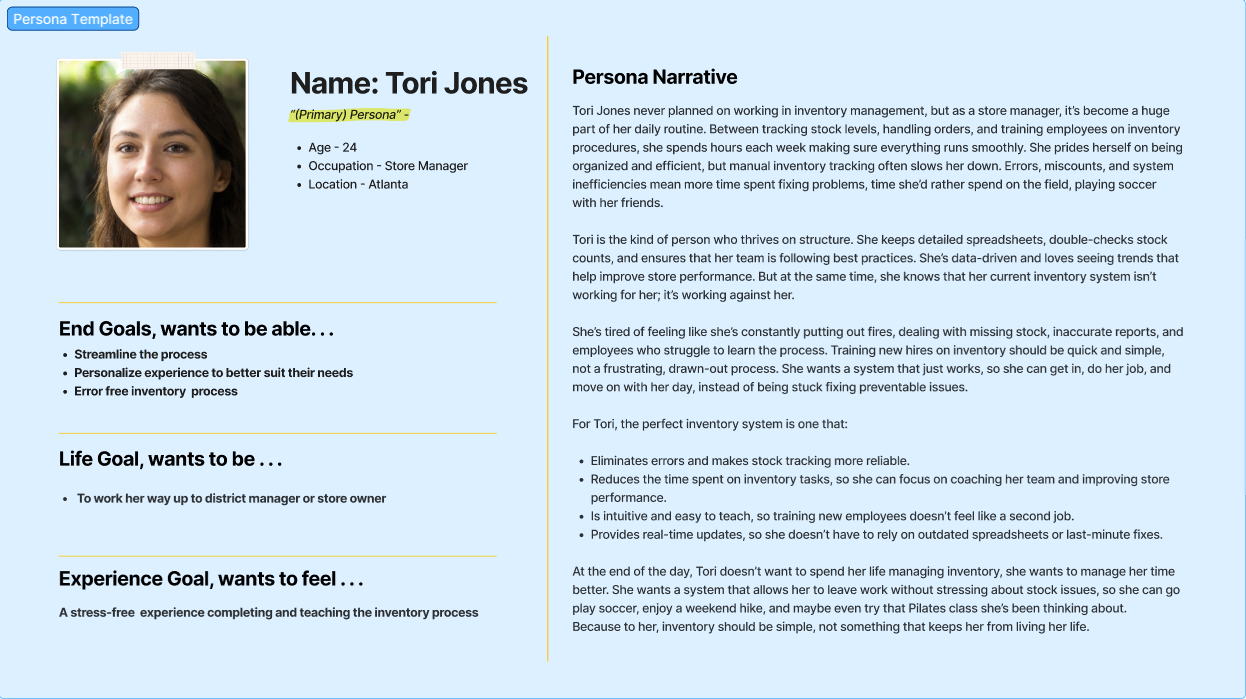
Here we defined what would be required of our application for Tori to achieve their goals. We also created context scenarios for Tori and their interaction and usage of our application.
This is where we began creating the application. Here is where we split the team into two subteams:
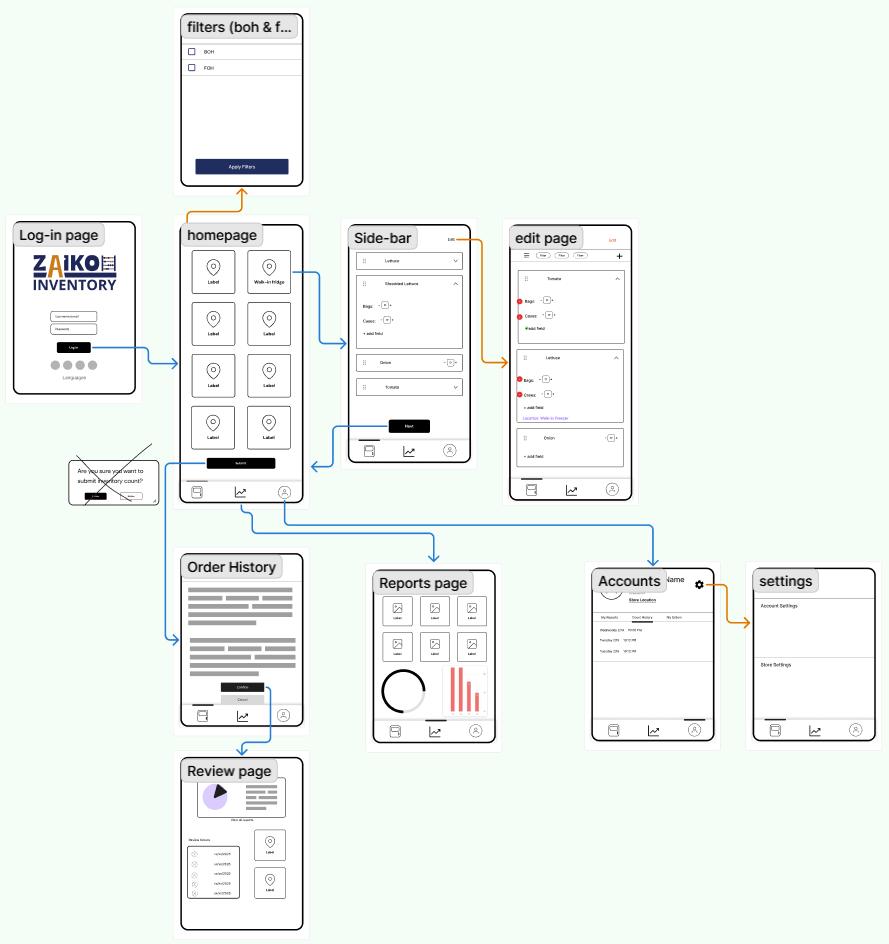
While the design team focused on creating initial wireframes to map user flows and content layout, I simultaneously commenced backend development and database construction for the application, providing technical input to the design process as needed.
As the design team transitioned from low-fidelity designs to finalizing high-fidelity mockups, I initiated development, translating the completed high-fidelity designs directly into the working application.
We conducted usability tests on our application and made final design adjustments based on the user feedback we received.
For our usability test, we had users complete a series of given tasks, recording their success rates and behavior throughout. Following task completion, users provided feedback on their experience using the application.
Based on the test results, I was able to implement the new findings directly into our application.
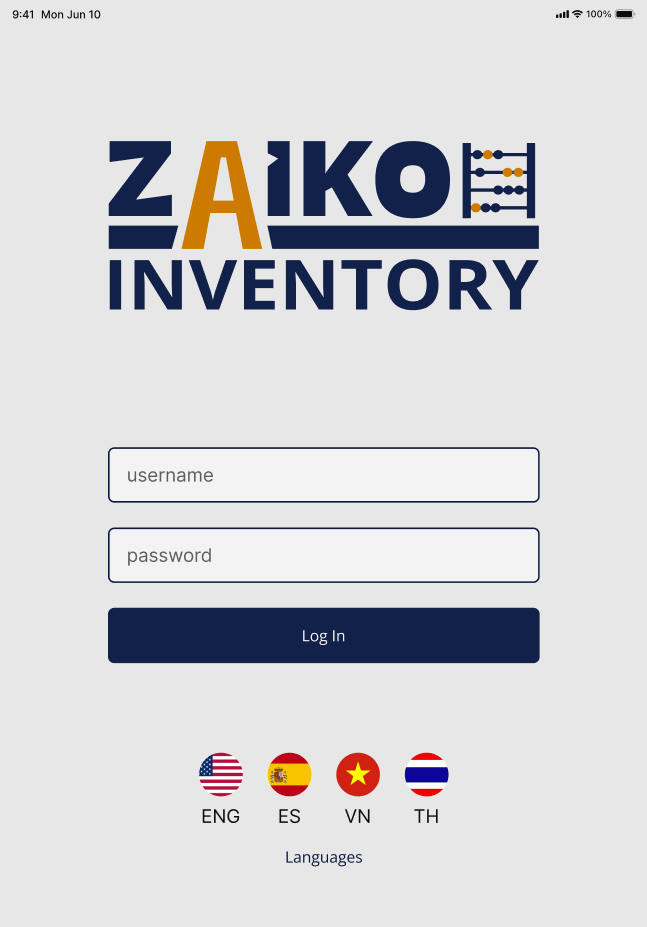
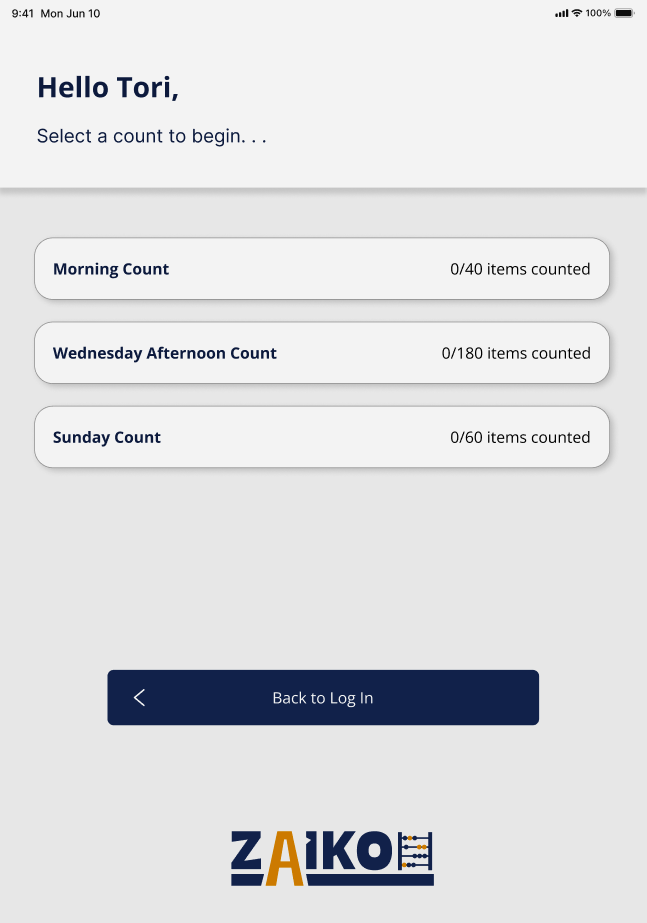
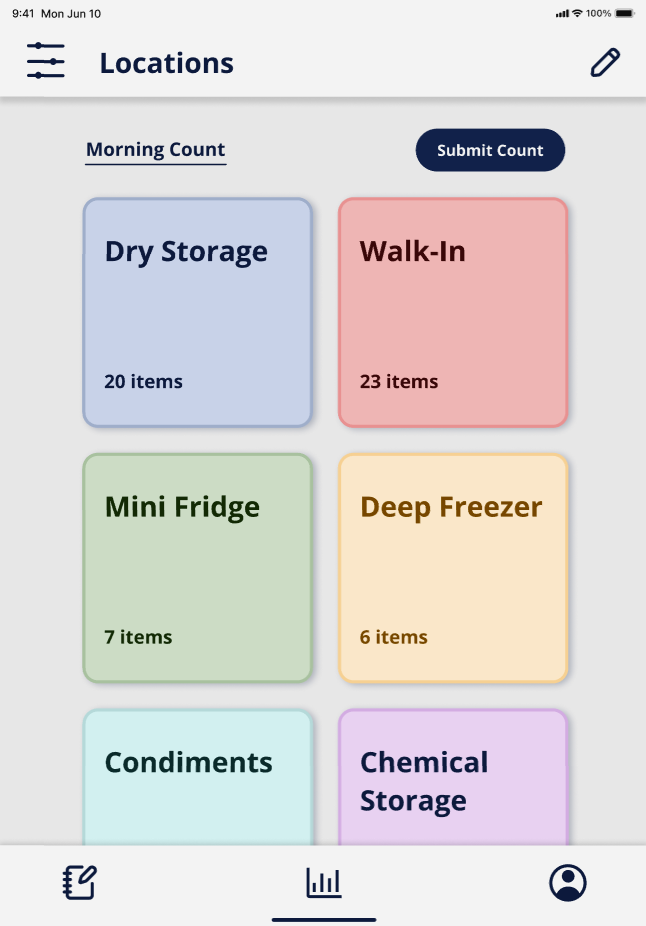
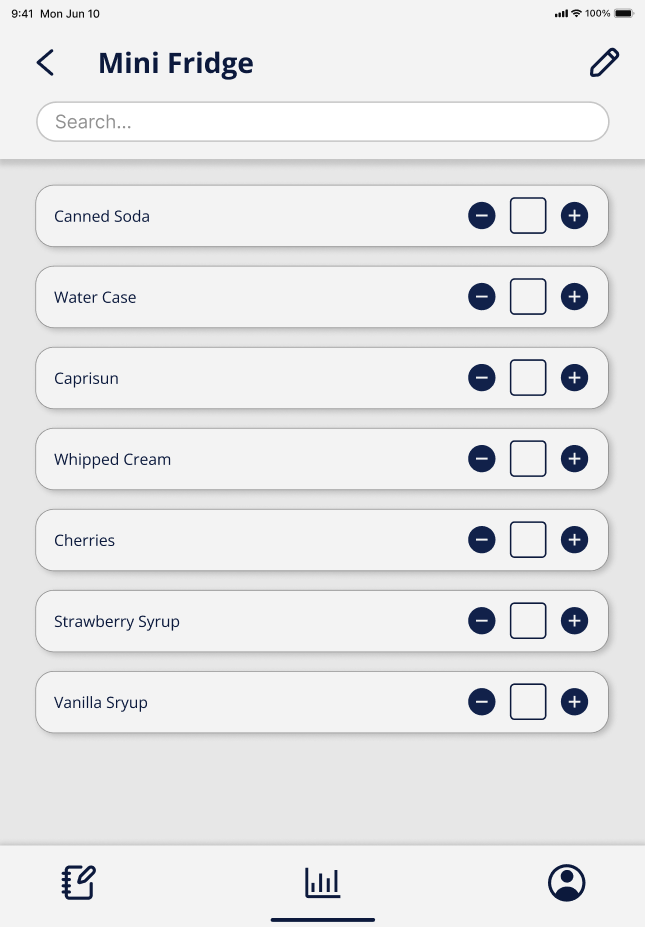
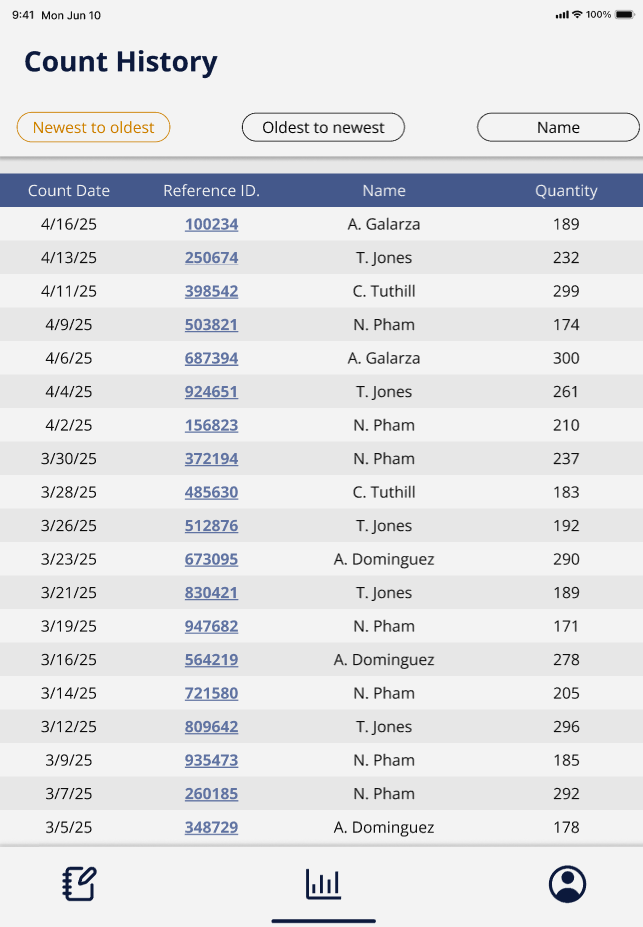
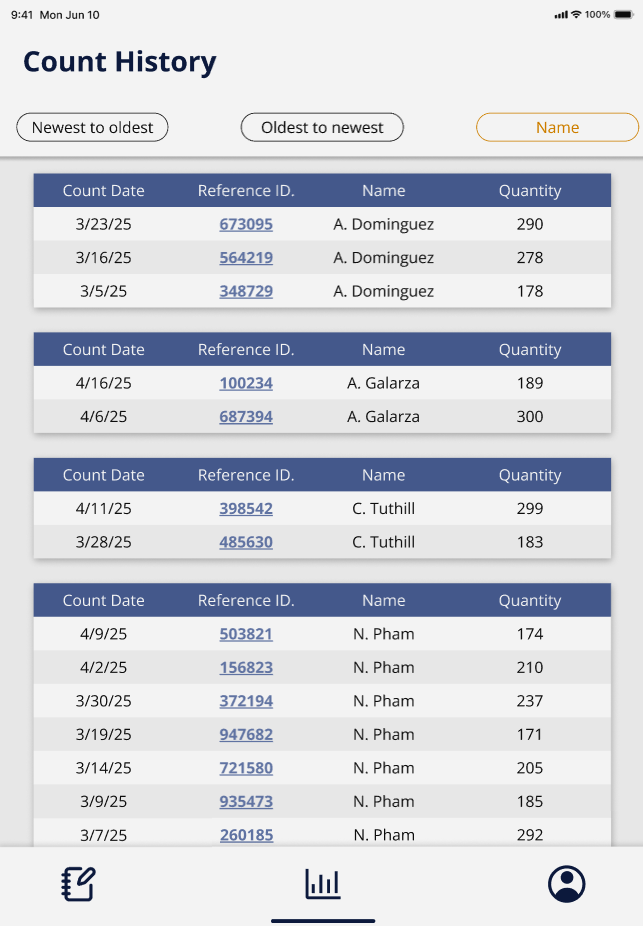
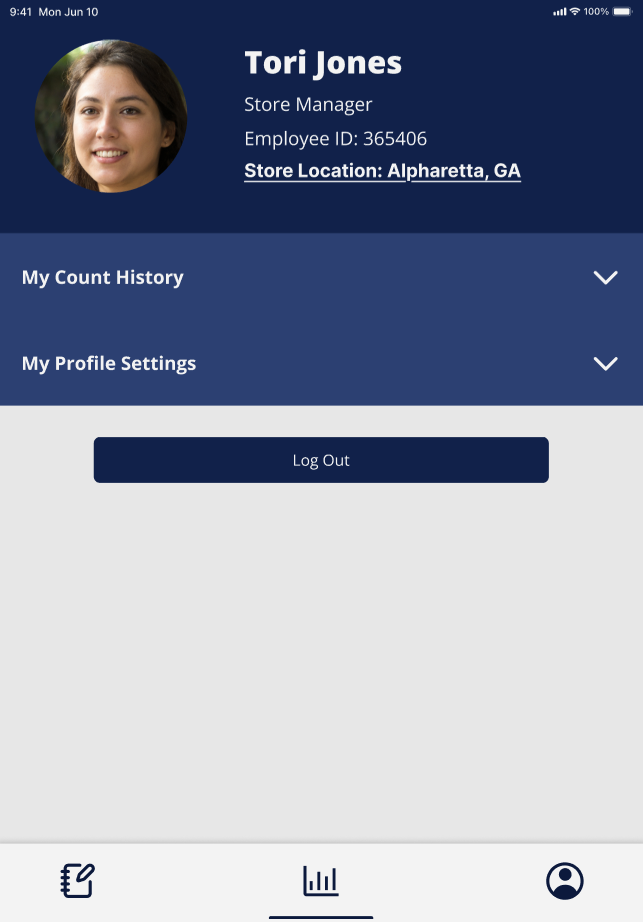
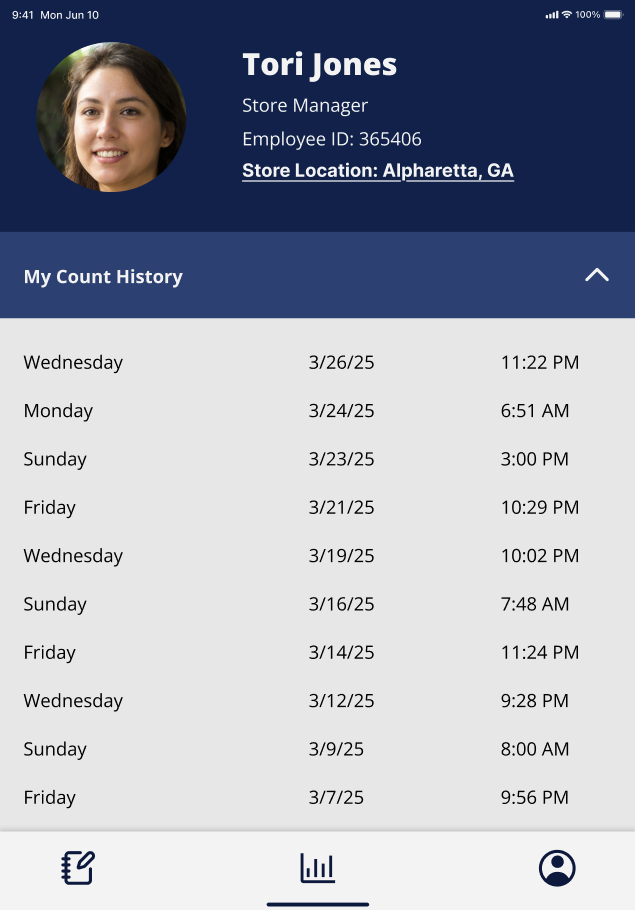
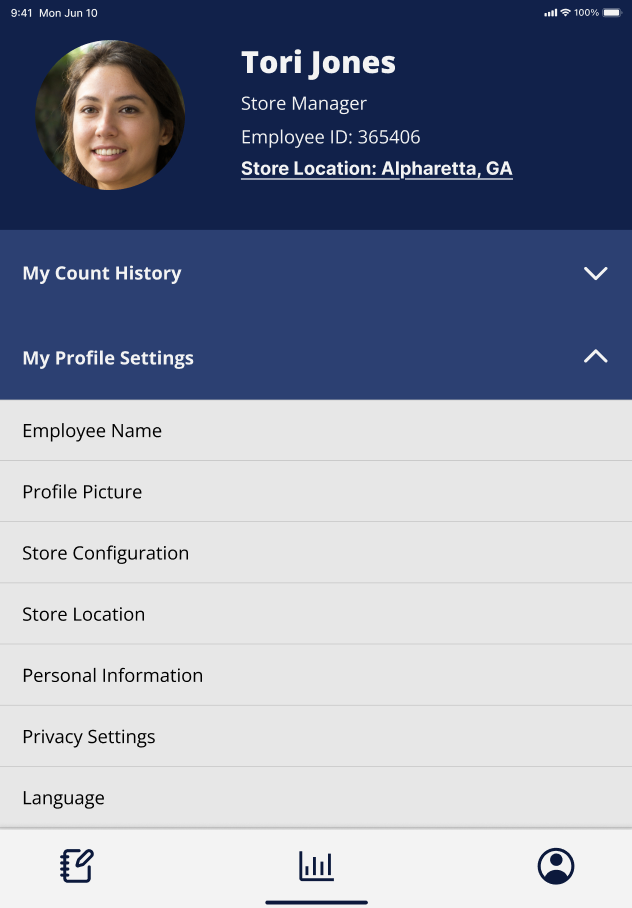
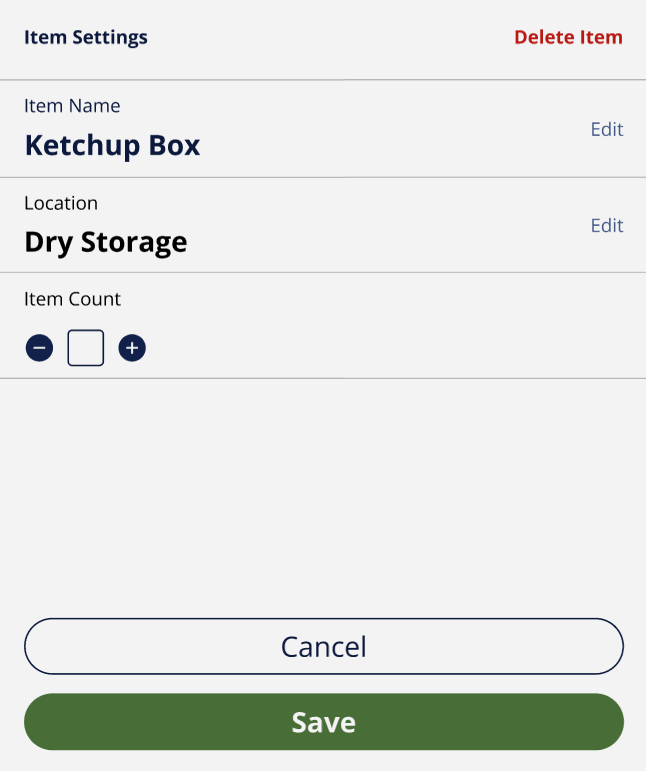
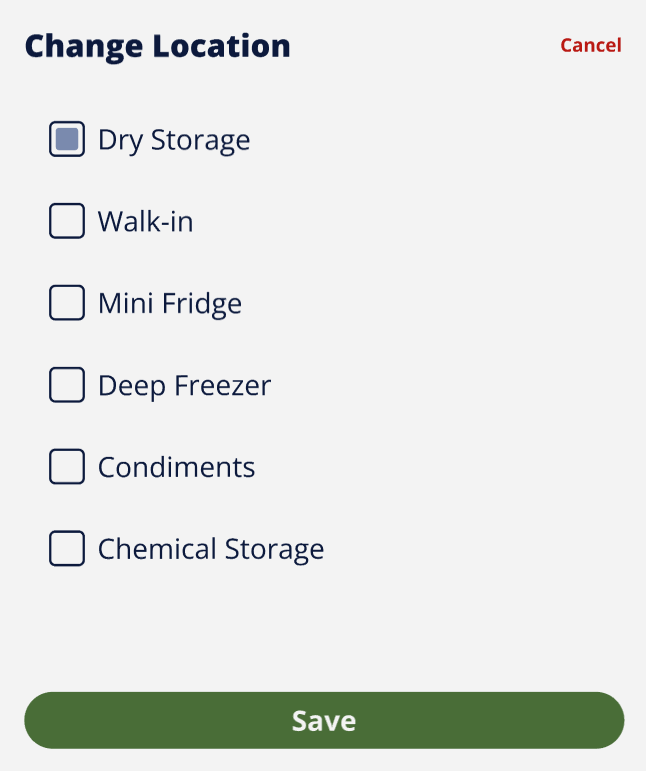
This significant project utilized the full range of skills gained during my degree. Achieving success required detailed problem analysis and the creation of effective, robust solutions essential for the application's functionality.
My involvement with the development team required agile learning in real-time, specifically in areas such as backend technologies and database design. This necessity honed my project management skills, emphasizing critical task prioritization and efficient time utilization to ensure timely project completion.
Ultimately, the team successfully delivered a product we are proud of. This accomplishment represents substantial growth in my own design expertise and solidifies my drive for ongoing learning and professional achievement.